Tesseract technology
Getting more of the ingredient where it needs to go.
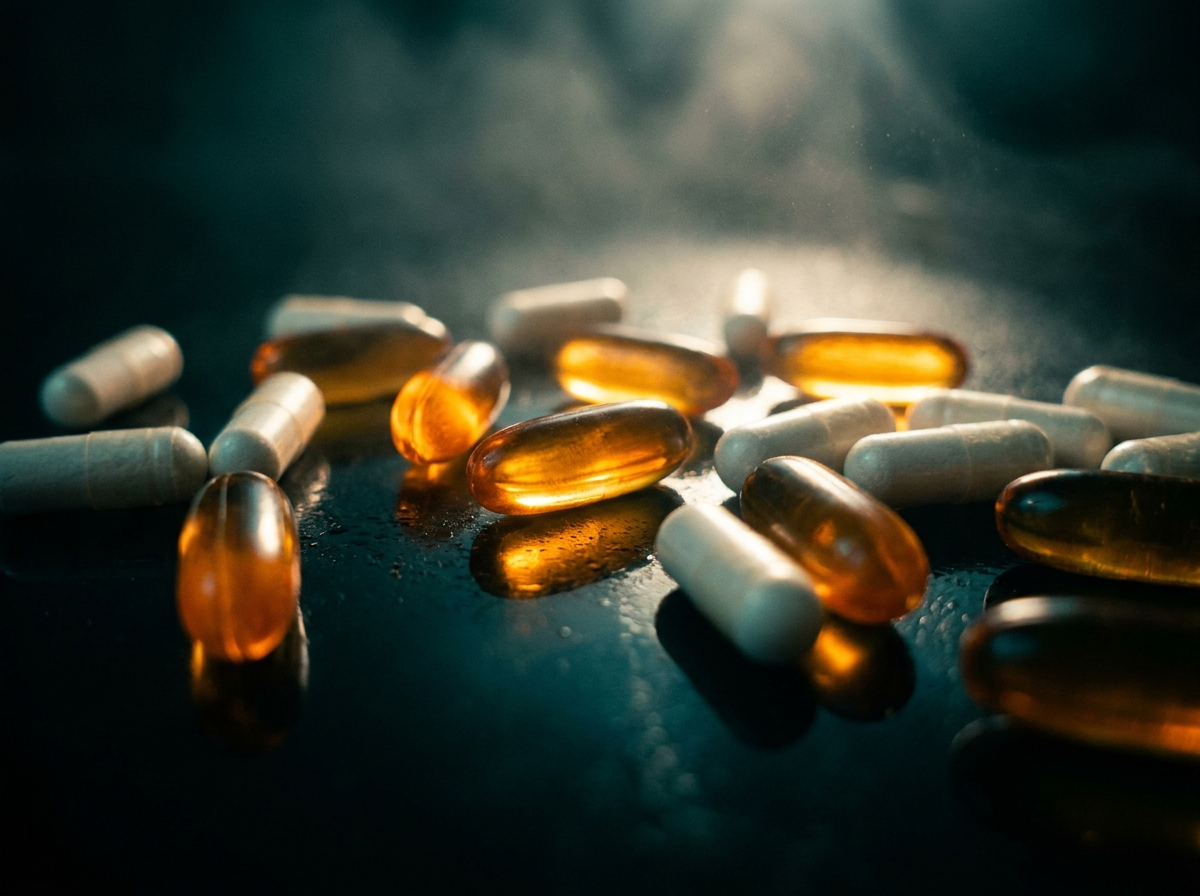
A lot of what goes into a supplement never reaches the part of the body that needs it — stomach acid breaks it down first. Tesseract is a technology we can build into your formula that shields each ingredient until it reaches the gut, where it is actually absorbed. It means smaller servings, better taste, and a product that does more of what the label promises. We only use it where it genuinely helps.
Core components
Six things it does for your product.
Particle engineering for stability
Dynamic powder engineering supports consistent quality, solubility and ingredient protection through production and storage phases.
- Protects actives during manufacturing
- Maintains stability in long-term storage
- Improves solubility for absorption
- Enables consistent batch-to-batch quality
Molecular encapsulation — CyLoc®
A food-grade cyclodextrin matrix helps protect active ingredients and facilitates controlled delivery throughout the digestive system.
- Protective matrix around the active
- Passage through varied digestive environments
- Targeted delivery to absorption sites
- Food-grade safety and compliance
Precision release — DexKey®
DexKey® is the release component that helps unlock protected nutrients at targeted points in the intestinal tract.
- Release at optimal absorption sites
- Responds to intestinal conditions
- Reduces waste from premature release
- Improves how much the body actually absorbs
Absorption optimization
The delivery system supports more efficient release and absorption, helping brands tell a stronger science-backed formulation story.
- Multi-stage delivery optimization
- More of the ingredient is absorbed
- Backs up the claims you make
- Potentially lower doses needed
Sensory management
Encapsulation reduces the taste and odor challenges that hinder consumer compliance with otherwise beneficial ingredients.
- Unpleasant-tasting ingredients become palatable
- Strong-odor ingredients become neutral
- Higher compliance and repeat purchase
- Especially useful for herbals, minerals, omegas
Format flexibility
Superior delivery enables smaller, more elegant serving formats — fewer capsules, better gummies, cleaner powders, more consumer-friendly daily rituals.
- Better active loading in gummies
- Reduced pill burden in capsules
- Cleaner powders with less filler
- More portable sachets and formats
Applications
Where it earns its place.
Gut health & microbiome
Probiotic protection and delivery, prebiotic combination strategies, digestive enzyme support and targeted intestinal delivery.
Hard-to-absorb nutrients
Fat-soluble vitamin optimization, helping the body absorb minerals and poorly absorbed compounds.
Antioxidant formulations
Antioxidant stability, absorption optimization, combinations that work well together and stability through storage.
Longevity products
Cellular support compounds, mitochondrial health ingredients, NAD+ support and sirtuin-targeting actives.
Microbiome support
Strain-specific delivery, colonization optimization and environmental protection during transit.
Multiple formats
Gummies with preserved actives, cleaner capsules, stable powder blends, sachets and liquid delivery systems.
Benefit summary
What each mechanism actually changes.
| Benefit | Impact | Consumer experience |
|---|---|---|
| Stability | Longer shelf life, consistent quality | More effective products over time |
| Protection | Ingredient integrity maintained | Products work as promised |
| Precision | Targeted delivery optimization | Better absorption and results |
| Sensory | Better taste and smell | Easier to take every day |
| Format | Elegant, smaller serving sizes | Fits into a real daily routine |
| Bioavailability | More efficient absorption | Potentially lower doses needed |
Honest guidance
When Tesseract is worth it — and when it is not.
- Poorly absorbed ingredients requiring help being absorbed
- Sensitive actives needing protection through processing and storage
- Premium positioning and genuine brand differentiation
- Products where better results directly support retention
- Formats where ingredient protection is critical — especially gummies
- New brands building scientific credibility from launch
- Products competing primarily on efficacy
- Lifestyle brands emphasizing a daily ritual
- Influencer brands where results drive reputation
- Highly bioavailable ingredients that already absorb well
- Basic commodity supplements
- Budget-focused positioning
- Formats where ingredient protection is not a real constraint
We will tell you which category your formula falls into. Adding technology that does not improve the product is just adding cost.
R&D phase: Tesseract evaluation for the formula, technology selection based on ingredient needs, feasibility assessment and cost-benefit analysis.
Formulation phase: Technology-specific ingredient considerations, dosage optimization with the delivery system, stability projections and shelf-life extension benefits.
Production phase: Specialized manufacturing steps, quality control points specific to the delivery system, equipment calibration and documentation of technology integration.
Packaging phase: Stability requirements in the final package, protection from light and moisture as needed, label messaging around the delivery advantage and consumer education on benefits.

Let's build together
We'll tell you if your formula needs this.
Send us the formula or the concept. We will evaluate whether Tesseract integration would add meaningful value to your product and positioning — or whether your money is better spent elsewhere.
Or email info@gihlifesciences.com — we reply in 1–2 business days.